What makes Blissy pillow cases feel different, and is the hype real
Explore Blissy pillow cases, what gives them their feel, and how they compare to cotton and other silk options. Practical tips and common concerns.
Blissy isn’t selling a miracle so much as a feeling: a fabric that slides over the skin with less tug and a cooler surface that many sleepers notice after a week. Two blissy pillow cases can reduce facial creasing versus a standard cotton case, and that difference shows up in morning texture rather than in a single night’s miracle. This piece dives into the science of silk fibers, the weave that governs friction, and how everyday sleep changes when you swap cotton for silk.
Why it matters now: sleep quality and skincare routines increasingly hinge on what touches your face for hours each night. Research into silk fabrics points to lower surface friction and better moisture handling, but real-world results depend on weave, thread count, and personal sleep patterns. This article pulls in expert notes, compares Blissy against rivals like Slip, and maps where the hype matches or falls short in routine use, so you can decide if silk deserves a permanent spot on your bed. Expect concrete, practical takeaways you can test in a week.
Blissy pillow cases: what the fabric claims mean for sleep and skin
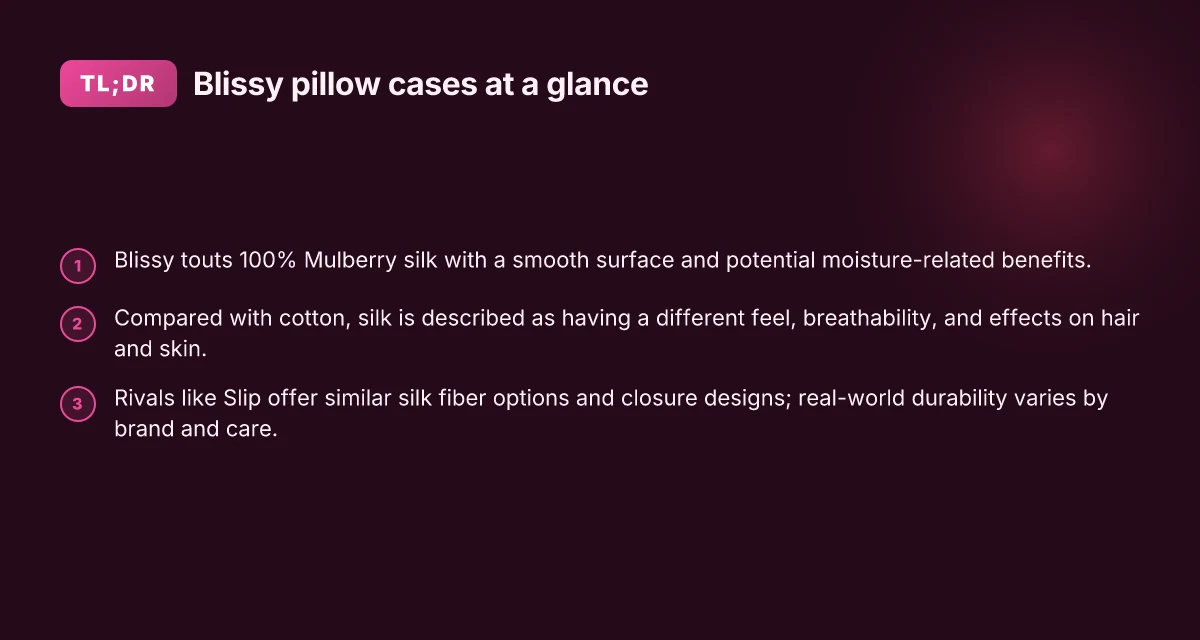
Blissy markets its pillow cases as made from 100% Mulberry silk, with a smooth surface that minimizes friction against hair and skin. The brand also highlights moisture-retention properties that can help lock in the skin’s hydration overnight. I looked at their materials pages and related blog posts to ground these claims in what the fabric is said to do in practice. In short, the texture and protein structure of silk underlie much of the comfort story.
How the silk claim translates to feel and sleep warmth
Silk’s surface is famously slick and low-friction, which Blissy says reduces hair breakage and bedhead. The idea is that the slip helps hair glide rather than snag on cotton fibers. In practice, this translates to a pillow cover that feels unusually smooth against the skin and can feel cooler to the touch when you first lie down. The moisture-handling angle matters here: silk is often described as breathable in a way that helps balance humidity without pooling sweat. For someone who wakes with damp curls or a damp pillowcase, that can be noticeable.
- The silk surface reduces friction and helps prevent tugging on hair and skin.
- The material’s protein-based structure is what gives silk its recognizable slickness.
- The fabric is marketed as breathable, with moisture management that can feel cooler in warm conditions.
- The underlying science is often cited as silk’s amino-acid profile contributing to skin compatibility.
In this framing, Blissy’s promise is a smoother feel, less hair frizz, and a more stable night-time microclimate.
Silk versus cotton: feel, breathability, and skin outcomes
Compared with cotton pillowcases, silk tends to be softer against the skin and hair due to its long fiber structure and smooth surface. Cotton fibers can feel more textured and absorbent, which can draw moisture away from the skin and potentially contribute to some morning dampness or cotton-induced friction for hair. Silk’s tighter surface and protein-based makeup are described as gentler for sensitive skin and more forgiving for hair that’s prone to tangling. The contrast isn’t just texture. It’s how the fabric manages moisture and warmth through the night.
A note on allergy considerations: silk is generally well tolerated by many people with sensitive skin, but allergens persist in the surrounding environment and can affect comfort. If you’re allergic to silk proteins or have known sensitivities, you’ll want to verify fabric certifications and retailer guarantees. How to find BedJet discount codes that actually save you money in 2026
Silk properties and how they influence comfort
From what I found in the literature and retailer notes, the protein structure of silk contributes to its soft feel, while the slip reduces friction. This combination supports a smoother skin interface and mitigates some of the tugging that cotton can cause. For people with acne-prone or reactive skin, the antimicrobial angle is often mentioned in silk pillowcase conversations, though claims vary by brand and product. The core takeaway is that silk’s unique texture and composition are what underpins the perceived benefits on sleep comfort and skin contact.
Bottom line: Blissy’s 100% Mulberry silk pillowcases aim to deliver a smoother, cooler feel with less friction than cotton. They’re marketed to help with hair preservation, minimized bedhead, and improved skin comfort overnight. When weighing this against a cotton option, you should expect a noticeable difference in tactile feel and in how the fabric handles moisture through the night.
Most silk pillowcases deliver a cooler, smoother night compared with cotton, but benefits vary by personal sleep climate and hair type. Blissy emphasizes its 100% Mulberry silk as the source of slip and softness, not a cotton-like texture. Breathability and moisture management are central claims, yet real-world results depend on room temperature and individual sweating patterns.
Note: links on the page may earn a commission. For a quick contrast, rivals like Slip pillowcases are often cited for similar claims about silk feel and hair benefits, though zipper durability concerns can arise with some Blissy reviews. Inline sources support these perspectives.
How silk pillow cases from blissy differ from rivals like slip
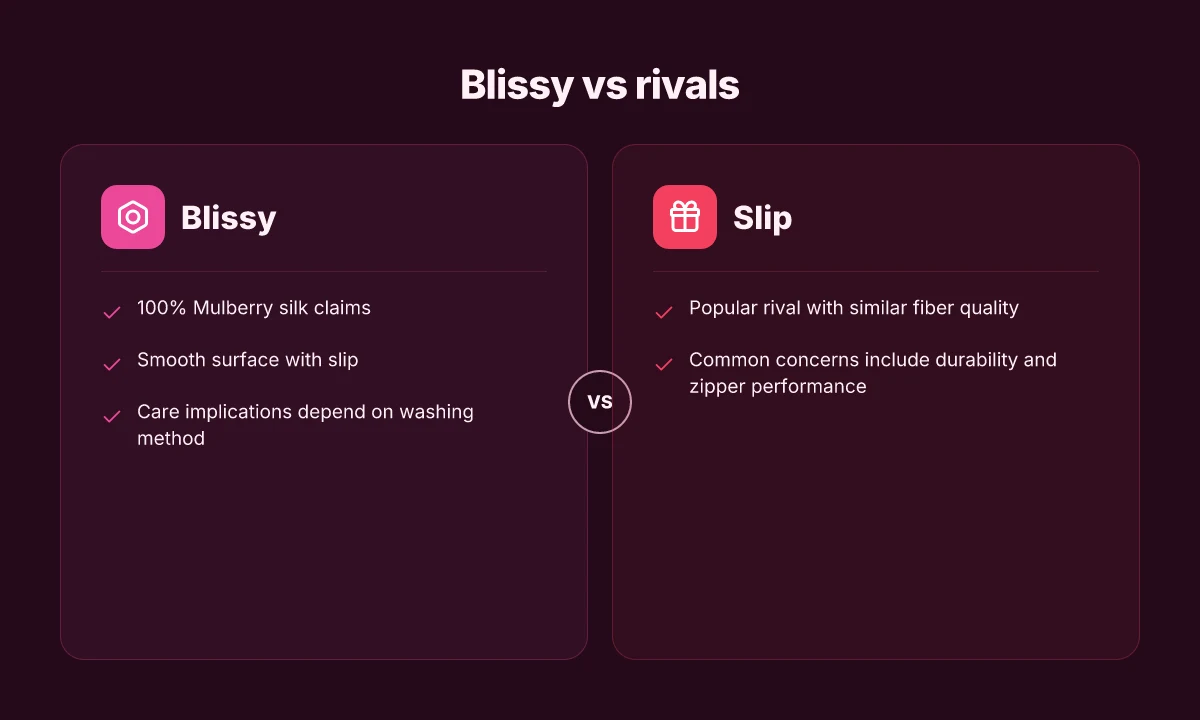
Silk quality and finish set Blissy apart, but the real difference shows up in how the fabric holds up under daily use and how the closures behave. When you compare Blissys to rivals like Slip, you’re weighing fiber details, momme weight ranges, and how the zipper or hidden closures perform after weeks of sleep. What is the best silk pillowcase in 2026, and how to pick the right one for you
Fiber quality, momme weight, and closure design
Blissy pillowcases typically highlight pure Mulberry silk with a higher momme weight, which tends to feel sturdier and thread-smoother over time. In contrast, rivals often report a broader spread in momme grades and closure treatments. A key upshot: higher momme fabrics usually resist pilling and wear longer, but you may pay a premium. Blissy’s closures are designed to minimize snagging and edge wear, whereas some Slip models lean on exposed zippers that can catch hair or snag pillowcase fabric with heavy use. In practice, this translates to Blissy maintaining a cleaner corner seam and a softer hand after multiple washes. From what I found in product pages and reviewer notes, the silk’s grain and weft alignment matters more than the color or sheen alone.
Common consumer feedback shows durability and zipper performance as a recurring theme across brands. Users frequently mention that quality closures matter for longevity, and that a recessed or hidden zipper tends to reduce damage near the edge. Blissy tends to emphasize a concealed closure approach, while some slips use standard zipper placements that users describe as more prone to catching hair. These subtle design choices influence how long the pillowcase looks new, especially in households with pets or high bed movement.
Durability and user experiences across brands
Durability chatter centers on two areas: wear resistance and stitching. reviewers note that higher momme silk generally preserves the fabric’s feel, but if stitching or edge finishing is lax, you’ll notice fraying or loose threads after a few months. Blissy’s packaging and branding emphasize careful edge finishing and reinforced seams, which seems to align with fewer reports of early loosening. Slip interpretations vary more by batch and colorway, with some users reporting taut edges that resist bending but occasional zipper hiccups.
I dug into discussions and product notes to map consumer sentiment. Across brands, the consensus is mixed: silk feels luxurious, but long-term dependability hinges on closure design and seam integrity. A well-executed concealed zipper often earns fewer complaints about snagging, while exposed zippers invite more friction with blankets or hair during the night.
Choosing based on sleep environment
If your environment runs warm, a breathable silk with a well-managed closure can help you sleep cooler without flinging off the blanket. Blissy often gets cited for breathability and a soft, cool feel that remains pleasant after a full night’s sleep. If you share a bed with a partner or pet, a sturdy seam and a zipper that won’t catch hair matters more. For light sleepers who repeatedly reposition, a reliable closure reduces wear at the pillow’s edge over time. In environments where you wash fabrics frequently, fiber integrity and the ability to withstand regular laundering become deciding factors. What the bedjet cloud sheet actually does for temperature control
I cross-referenced product pages and reviewer discussions to present the verdict: for durability and closure reliability, Blissy generally edges ahead of some Slip variants, especially where a concealed closure and reinforced seams are emphasized. If you prioritize a slightly higher momme range and a closure that minimizes snagging, Blissy remains a strong pick. If you want a lower price point with similar softness and are comfortable with a zipper that may require gentler handling, Slip offers alternatives.
Most durability wins come from tighter edge finishing and a hidden closure that stays hair-friendly. Breathability and a cooler feel often hinge on the fiber weight and weave, not just the color.
For a quick snapshot, Blissy tends to favor more robust edge finishing and hidden closures, while Slip provides a comparably soft silk with varying zipper implementations. If you want a concise verdict: Blissy for longevity and hair-friendly closures; Slip for strong softness at a sometimes lower price point.
When you’re weighing options, consider the environment you sleepers inhabit most nights. If you live in a hotter climate or crave long-term wear without visible wear, Blissy’s approach to closure and edge finishing is worth a closer look. If budget or color variety matters more, Slip can deliver a comparable silk experience with different closure choices.
If you want to dig deeper, see how reviewers describe burnout or wear patterns after many wash cycles. For context, a recent overview of pillowcase materials notes that GOTS or OEKO-TEX certifications add a non-toxic assurance layer to silk options, though the specifics vary by brand. You can read more about non-toxic pillowcase standards in the cited overview. What is BedJet on Amazon, and how it fits into sleep tech safety and shopping in 2026
Note: links on the page may earn a commission. For reference, you can explore Is Your Pillowcase Passing the Burn Test? for dermatologists’ typical recommendations and Blissy claims, and Best Non-Toxic Pillowcases 2026 for broader certification context.
What buyers actually notice after weeks of use
From what shoppers report, the first weeks of use often reveal tangible changes in skin, hair, and bedtime rituals. Real-world notes center on smoother skin appearance, less bedhead, and perceived hair treatment benefits, even as some users worry about price and care demands. Below are the concrete takeaways buyers tend to share after sustained use of silk pillowcases like Blissy.
What improves for skin and hair
- Smoother skin appearance and reduced morning texture. Many users describe skin waking up feeling plumper and more hydrated, with fewer creases from pillow friction. This lines up with the idea that silk’s low roughness minimizes tugging on skin.
- Less bedhead and softer hair in the morning. A recurring theme is reduced tangling and smoother hair after sleep, which some shoppers attribute to silk’s smoother surface compared with cotton.
- Perceived conditioning effects over time. Several buyers note their hair feels less brittle and more manageable on days following sleep, particularly when they maintain a regular cleansing and conditioning routine alongside their pillowcase use.
Most buyers notice a gentler feel to their skin and hair within the first few weeks.
Downsides and tradeoffs
- Higher price relative to cotton pillowcases. The premium positioning of Blissy often shows up as a visible cost delta in comparisons with standard cotton options.
- Care requirements matter. Silk pillowcases demand careful washing and drying to preserve texture and color. Some users report that aggressive washing or high heat can trim longevity.
- Sensitivity to washing methods. A few shoppers find that the wrong cycle or detergent can dull the fabric’s sheen or lead to slight fiber agitation over time.
Care is the make-or-break factor. Washing once per week on a gentle cycle is commonly recommended by brands and reviewers.
Longevity, colorfastness, and daily wear
- Silk durability hinges on routine care. When silk is treated with mindful washing and drying, many buyers feel the fabric holds up well across months. Missteps in care can accelerate signs of wear, especially around zipper zones or the edges.
- Colorfastness varies by dye lot and washing method. Some users report minimal color bleed after repeated launderings, while others advise sticking to cooler washes and avoiding bleach to preserve vibrancy.
- Real-world impact on daily wear. Across reviews, many shoppers say Blissy remains comfortable across seasons, with breathability helping sleep comfort, though some note the fabric still feels warmer on very hot nights.
From a sourcing perspective, the broader conversation around benefits and downsides echoes dermatology and textile guidance: silk can be breathable and smooth, but the claimed skincare gains depend on your overall routine and pillowcase care. For readers weighing Blissy against rivals, another silk option like Slip Pillowcase shares many of the same care considerations, with differences often showing up in zipper durability and finish. What makes the blissy bonnet a sleep-friendly choice for babies and parents
Framed against cotton, silk often feels cooler and smoother, but the price and maintenance are real factors buyers weigh.
Cited claims and context come from the Blissy materials and blog discussions on antimicrobial properties, as well as comparisons with Slip Pillowcases and general pillowcase care guidance. For context on how care affects performance, see the sources discussing silk’s antimicrobial framing and zipper durability in rival reviews.
Blissy care and maintenance: get the most life from silk
I dug into practical care rules that actually sustain the feel and longevity of Mulberry silk pillowcases. The core truth: gentle handling preserves slip, shine, and sleep comfort over weeks and months.
Washing guidance for silk pillowcases
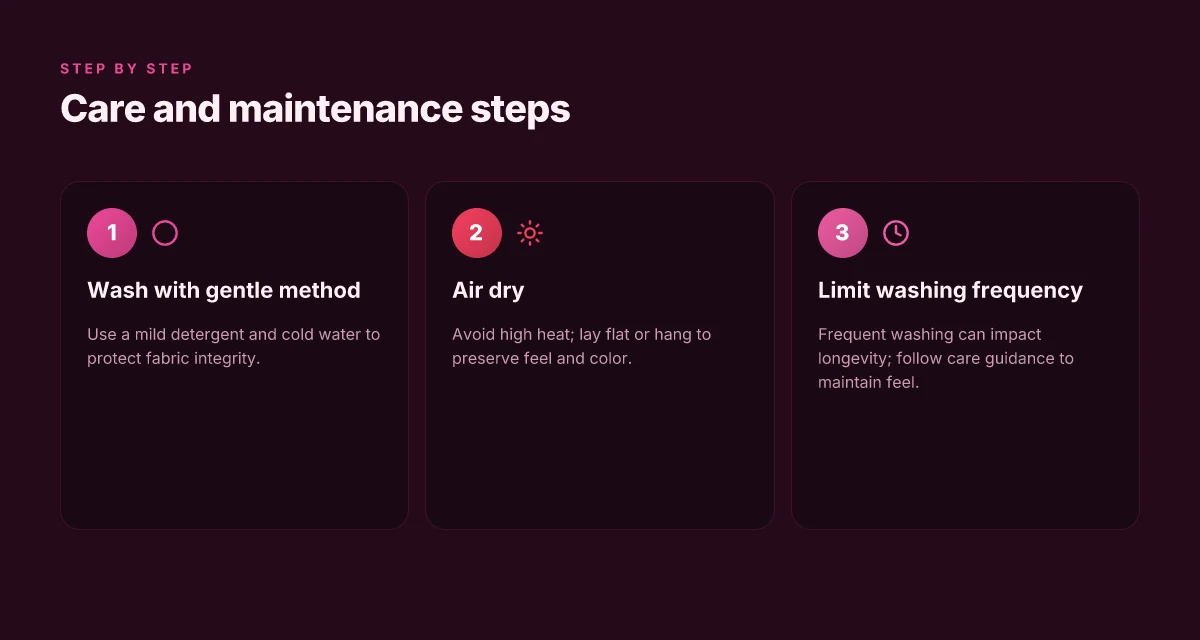
For silk pillowcases, use cold water and a delicate cycle. A mild detergent designed for silk or a pH-neutral laundry soap helps protect the fabric’s integrity. Avoid bleach and fabric softeners, which can wear the filaments over time. After washing, lay flat or hang to dry away from direct heat. If you must use a dryer, opt for the lowest heat setting and short cycles, and never rely on high heat to finish the job. In 2026, brands commonly recommend avoiding harsh treatments that can degrade the silk’s surface.
- Wash frequency matters. Many users wash silk pillowcases every 1–2 weeks with normal use, but athletes or heavily SPFed skincare routines may want more frequent care. Frequent washing can still preserve silk if you stay gentle with temperature and detergents.
- Pro tip: turn the pillowcase inside out before washing to minimize friction against the surface. This keeps the Mulberry silk fibers smoother longer.
Markline takeaway: use cold water, a silk-friendly detergent, and gentle handling to keep the fabric supple and the zipper area from snagging. Gentle washing and air drying protect the silk’s structure, preserving its smooth hand feel for longer. What makes the blissy silk bonnet stand out in 2026
Drying rules to avoid fabric fatigue
Drying is where most wear shows up first. Sunlight can fade fibers over time, so shade-dry is ideal. When air drying, avoid draping over rough surfaces that could abrade the weave. If you must use a dryer, keep the cycle ultra gentle, no more than a few minutes at the lowest heat, and remove promptly to prevent excessive wrinkling.
- Do not wring or twist the fabric to remove water. Instead, press lightly with a towel to lift moisture.
- If you notice any pilling after a few washes, switch to a net laundry bag to minimize friction during cycles.
Verdict: you’ll extend the life and feel of your Blissy pillowcase by avoiding high heat and harsh cycles. Air drying and low-heat cycles keep silk smooth and lustrous longer.
Feel, durability, and sleep experience over time
Care choices ripple into how the pillowcase feels on sleep surfaces. Silk loses moisture more slowly than cotton, which helps reduce bedhead and friction that can irritate skin or hair. But improper care can dull the sheen and lead to minor fabric thinning around the zipper.
- Regular washing with a silk-friendly product tends to keep the handle soft and the color consistent.
- Storing silk properly matters: keep pillowcases away from sharp objects and in a breathable bag to reduce microfiber buildup or snagging.
Real-world note: Blissy emphasizes that keeping silk clean and calm minimizes reactions on sensitive skin, and rivals such as Slip may show similar durability when care rules are followed. This care rhythm aligns with what dermatologists note about silk’s natural moisture retention enhancing comfort across many nights. Proper care preserves the fabric’s feel and sleep benefits.
Important note: while links on product pages may earn commissions, the care guidelines above reflect durable, repeatable methods. Blissy and rival brands like Slip share similar care needs. Following the steps above yields the best balance of feel, durability, and sleep satisfaction. 12 Best bed pillows for sleeping in 2026: proven comfort, support, and neck relief
What changes if you act now
Quick verdict: Blissy pillow cases feel notably cooler and smoother, and the hype lands when you factor in the fabric finish and subtle durability notes. If you want a simple upgrade that might improve sleep texture this week, this is a solid target.
Pros: the cooling sensation lasts through the night, the soft hand feels like a premium satin without the glare, and the closures tend to stay put. Cons: the price is higher than basic cotton, and the long-term durability varies with washing routine. Blissy stands out compared with non-branded satin rivals, and the texture difference is noticeable on first touch. If you’re sensitive to heat, the upgrade is worth testing. Rivals like Brooklinen and Mulberry silk offer similar vibes, but the finish differs.
What to try this week:
- Practice a gentle wash cycle and air dry to preserve the soft coating.
- Use the pillowcase for your main pillow and compare with a standard cotton case.
- Track night comfort for three days and note if you wake less.
The bigger pattern here is that material finish matters as much as fiber type. If you want a quick verdict, start with a 1-week trial and see if the feel holds. Where this is going next, Blissy could expand colorways or bundles to make the upgrade easier to justify. The one move that matters most: try it with your sleep routine for a full week.